
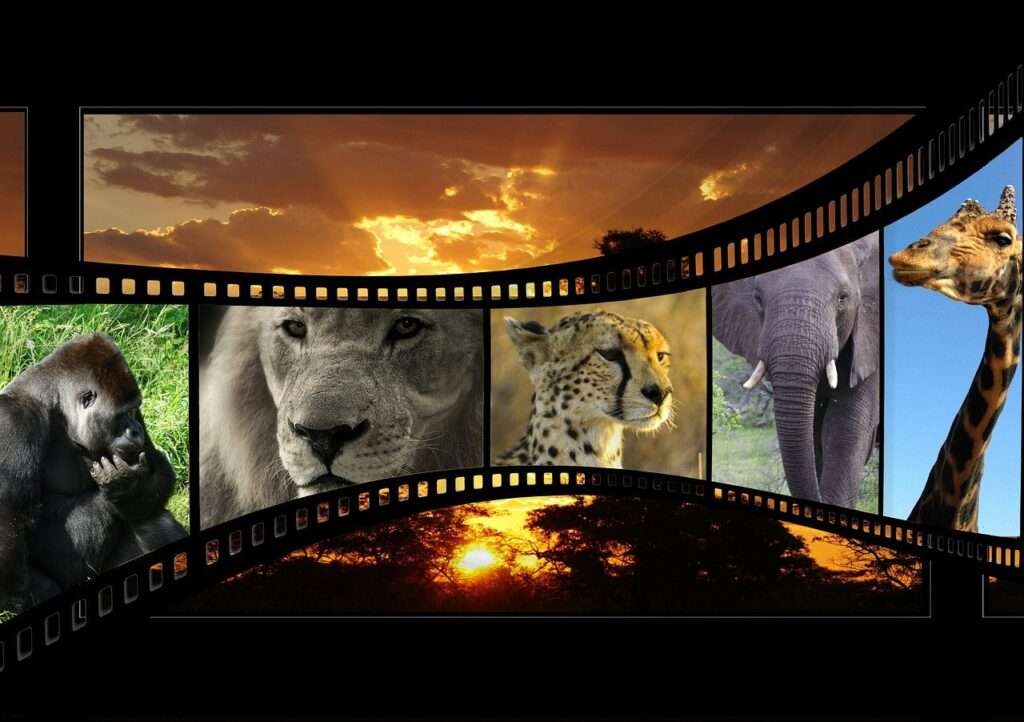
Videography is a dynamic art form that combines creativity, technology, and storytelling. From professional filmmakers to hobbyists capturing family events, videography allows individuals to document life’s moments, convey emotions, and share experiences in a way that still photography often cannot. In this write-up, we explore the various aspects of videography, its evolution, techniques, and its significance in today’s digital landscape.
What is Videography?
Videography is the process of capturing moving images on video, as well as the art of creating video content. It encompasses a range of activities, from planning and scripting to shooting and editing. Unlike traditional photography, which captures a single moment in time, videography offers the ability to portray movement, sound, and narrative, making it a powerful medium for storytelling.
Evolution of Videography
The roots of videography can be traced back to the invention of motion pictures in the late 19th century. Early films were silent and short, often only a few minutes long. However, as technology advanced, so did the complexity and accessibility of video production. The introduction of portable video cameras in the 20th century democratized the art form, allowing more people to create and share their work.
With the rise of digital technology in the 21st century, videography underwent a significant transformation. Digital cameras became more affordable and user-friendly, and editing software evolved, enabling even novice videographers to produce high-quality content. The advent of social media platforms and video-sharing sites like YouTube and Vimeo further revolutionized videography, providing a global stage for creators to showcase their work.
Key Techniques in Videography
1. Planning and Scripting
Successful videography begins long before the camera starts rolling. Planning and scripting are crucial steps that help define the video’s purpose, target audience, and key messages. A well-thought-out script serves as a roadmap, guiding the videographer through the shooting process and ensuring that all essential elements are covered.
2. Composition and Framing
Composition refers to how elements are arranged within the frame. Effective videographers utilize techniques such as the rule of thirds, leading lines, and framing to create visually appealing shots. Thoughtful composition helps direct the viewer’s attention and enhances the storytelling aspect of the video.
3. Lighting
Lighting plays a pivotal role in videography. Natural light can create a soft and inviting atmosphere, while artificial lighting allows for more control over the scene’s mood. Understanding how to manipulate light—whether through reflectors, diffusers, or LED panels—is essential for achieving professional-quality videos.
4. Camera Movement
Camera movement can dramatically affect the viewer’s experience. Techniques like panning, tilting, and tracking can add dynamism to a video. Additionally, the use of tools such as stabilizers and gimbals helps maintain smooth motion, reducing shaky footage that can detract from the final product.
5. Editing
Editing is where the magic truly happens. This stage involves selecting the best shots, arranging them in a coherent sequence, and adding transitions, effects, and sound. Effective editing can elevate a good video to great, enhancing pacing, flow, and emotional impact. Popular editing software like Adobe Premiere Pro and Final Cut Pro offer powerful tools for videographers to refine their work.
The Role of Sound
In videography, sound is just as important as visuals. High-quality audio can significantly enhance the viewer’s experience. This includes not only dialogue and voiceovers but also sound effects and music. A well-chosen soundtrack can evoke emotions and set the tone, making the video more engaging.
The Impact of Videography Today
Videography has become increasingly vital in various fields, including marketing, education, and entertainment. Businesses leverage video content to promote products and services, as studies show that consumers are more likely to engage with video than with text-based content. Educational institutions use video for online learning, making lessons more interactive and accessible.
Moreover, videography serves as a powerful tool for social change. Documentaries and short films can raise awareness about critical issues, fostering empathy and understanding. Platforms like TikTok and Instagram have further popularized short-form videography, enabling creators to share their messages with wide audiences quickly.
Videography is therefore a multifaceted art form that captures the essence of life in motion. As technology continues to evolve, so will the methods and tools available to videographers. Whether for personal expression, professional development, or social impact, videography offers endless possibilities for storytelling. Embracing this art form allows individuals to share their unique perspectives and connect with others in a meaningful way. Whether you’re a seasoned professional or just starting out, the world of videography is rich with opportunities to create and inspire.